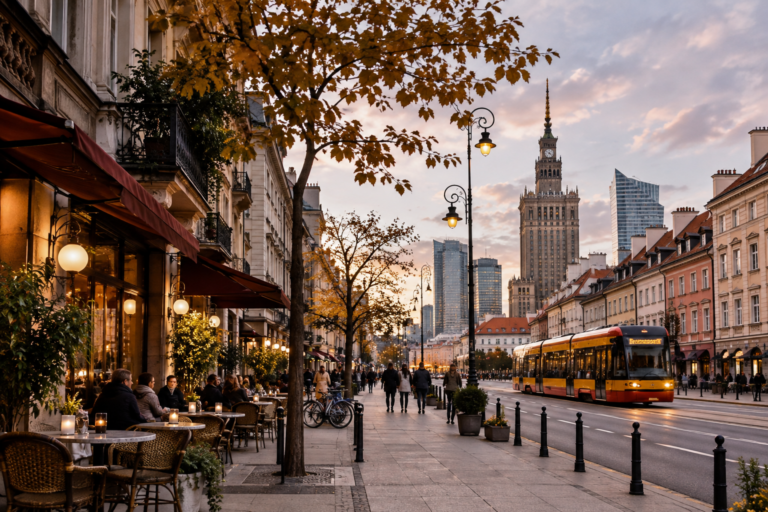





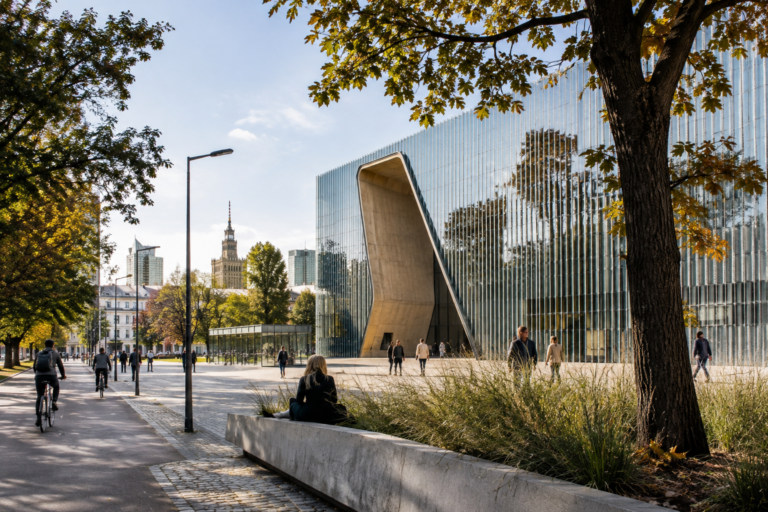
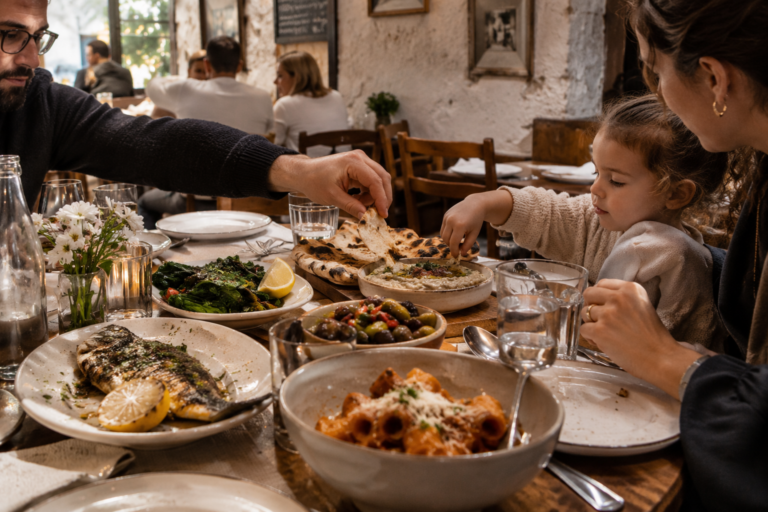
Most modern city trips begin with admirable intentions and end feeling faintly like a work project. Weeks before departure, the spreadsheets and saved maps start multiplying: timed museum entries at ten, a much-photographed bakery at noon, a vintage market by two, a cocktail bar at six, and a restaurant reservation locked down a month in advance so nobody ends up stranded. By the time the plane lands, every hour has already been accounted for.
On paper, that kind of planning looks smart. In practice, it often strips away the exact feeling people travel for in the first place. You move briskly from pin to pin, checking clocks over espresso so you don’t miss the next slot, arriving home with a camera roll that proves you stood in all the right places—and a strange sense that the city itself slipped right past you.
The trips people actually remember years later rarely follow the schedule they wrote in advance. They begin the moment something interrupts the plan.
The Trap of the Algorithmically Approved City
When everyone pulls recommendations from the same digital feeds, rating apps, and automated trip planners, entire cities compress into the same ten streets. You find yourself standing in a twenty-minute queue outside a café alongside forty strangers staring down at identical phone screens, waiting for a pistachio croissant that tastes mostly like relief at finally reaching the front of the line.
Efficiency makes sense at an airport; it ruins a weekend. Treating a city like a checklist encourages a restless, grazing kind of attention—half an hour here, forty minutes there, forever calculating transit times to the next highlight. When every block is predetermined, there is no reason to look up at an odd courtyard doorway, notice how afternoon light hits an old theater façade, or step inside a record shop simply because something good is playing through the open window.
Book One Anchor a Day, Then Stop
Leaving space in a trip does not mean abandoning planning altogether. Few things drain the romance out of an evening faster than wandering hungry at nine o’clock through an unfamiliar neighborhood while every decent dining room shakes its head at the door.
The trick is choosing one real anchor per day—and leaving everything around it unguarded. Reserve a dinner table worth dressing up for, buy tickets to the major exhibition you flew in to see, or lock in an evening concert. Once that single anchor sits on the calendar, close the itinerary. Give yourself six or eight open hours on either side with nothing assigned to them at all.
One anchor protects the spine of the day without turning the rest of it into an assembly line. If breakfast stretches into a second coffee while you read the papers, nothing breaks. If a museum holds you an hour longer than expected, nobody is rushing toward the door.
Let the City Interrupt You
Unclaimed hours change how your eyes work. Without a deadline pulling you three neighborhoods away, you begin responding to what is physically in front of you rather than what looked sharp on a screen two weeks ago.
Maybe a sudden rainstorm sends you ducking under an awning into a cramped used bookstore where you spend an absorbing hour flipping through out-of-print architecture monographs. Maybe a morning walk past a neighborhood flower market leads to a quiet corner bar for a mid-morning Campari and an unexpected conversation with the owner about where to eat sea urchin nearby. Maybe an exhibition disappoints—so instead of enduring the next ninety minutes out of obligation, you leave early, catch a matinee in an old cinema, and surface at dusk feeling curiously refreshed.
Those detours never look impressive on a pre-trip document. Yet six months later, they are almost always the stories you tell first.
Ask People Who Work After Dark
If you want better tips once you arrive, skip the top-rated tourist compilations and ask people whose tastes intersect with real neighborhood life. The bartender opening up at five, the clerk behind the counter at an independent clothing store, the bookseller sorting new arrivals, or the waiter clearing tables at lunch usually know which kitchen just hired a brilliant young cook, which terrace gets the late sun, and which street stays lively past midnight without turning chaotic.
Human recommendations come with context—weather, mood, crowd, and timing—that star ratings erase. A five-star wine bar on paper can feel sterile on a Tuesday night; a modest corner bistro mentioned offhand by a gallery attendant might turn out to have the best atmosphere in town.
The Pleasure of Going Back Twice
One of the quiet casualties of over-scheduled travel is repetition. Because there are always twelve untried spots waiting on the saved map, people rarely allow themselves to visit a place twice in one trip.
Yet returning to the same café on two consecutive mornings—ordering the same coffee, sitting at the same marble table, recognizing the person behind the counter—does something a checklist never manages. For forty-eight hours, you stop feeling like a spectator passing through and start feeling briefly woven into the block. Skipping five unremarkable new spots to have one second unforgettable lunch at the place you loved on Friday is almost always the right trade.
Returning With Stories Instead of Proof
There is a noticeable difference in how you feel on the train home after an unhurried trip versus a hyper-optimized one. When you pack every hour, Monday morning arrives feeling as though you need a weekend to recover from your vacation. When you leave room to linger, edit on the fly, and stay an extra hour wherever the conversation or lighting turns good, you return carrying actual energy.
You may miss two famous viewpoints. In exchange, you come back knowing how the city actually sounds at dusk, what people drink before dinner, and how good it feels to follow an impulse without checking a clock.
A good trip is not an endurance test designed to squeeze maximum sightseeing out of every square kilometer. It is time bought back from routine—time best spent wide awake, lightly anchored, and free enough to tear up Tuesday’s plan the instant Tuesday offers you something better.