



There is a distinct kind of fatigue that comes with visiting Europe’s most celebrated capitals right now. You know the choreography before you even unzip your bag: inching behind rolling suitcases through historic lanes, waiting forty minutes for a seat at a café that went viral six months ago, and dining in rooms where every table speaks the exact same visitor English. Paris, Rome, Venice, and Barcelona will never lose their greatness, yet a short weekend inside them can feel uncomfortably close to navigating a crowded museum gift shop.
Meanwhile, two hours away by train or short flight sits a tier of smaller, fiercely alive cultural cities that ask for none of that patience. They hold grand architecture, serious museums, late-night dining, and sharp local style—without the velvet ropes or the sensation that an entire city center has turned into a stage set for outsiders.
Why Second Cities Feel First-Rate
Smaller cultural capitals rarely perform for tourists. Because their boulevards, bakeries, galleries, and bars still run on the budgets and habits of the people who live there, the atmosphere carries an edge and honesty that over-touristed centers struggle to keep.
You notice the difference immediately at street level. Shopfronts belong to tailors, hardware stores, pastry cooks, and independent bookshops rather than identical magnet stands. Restaurant menus reflect what local diners actually want to eat on a Thursday night instead of watered-down greatest hits. Even better, spontaneous plans work again: you can stroll past a lively wine bar at eight o’clock and actually find two stools at the counter.
Genoa: Marble Palaces and Port Grit
Few cities illustrate the appeal of the overlooked cultural powerhouse quite like Genoa. Rather than polishing itself into a neat postcard, Italy’s historic maritime republic layers aristocratic splendor straight on top of working-port grit.
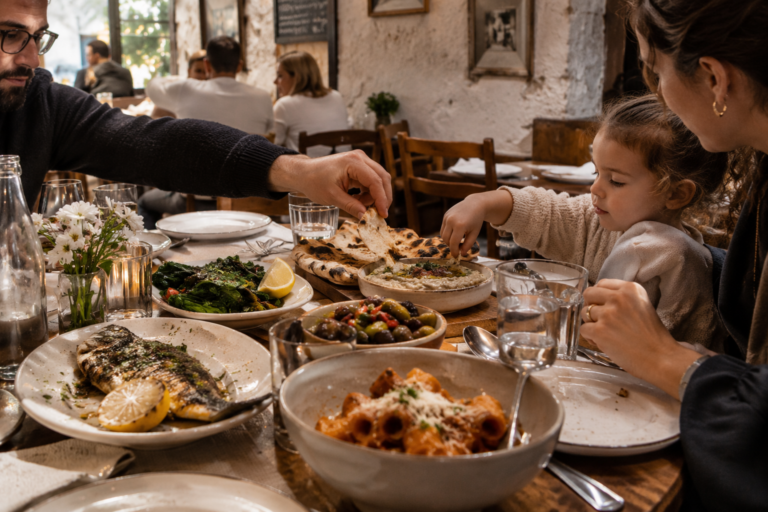
Along the Via Garibaldi, monumental Renaissance and Baroque palaces—built by shipping fortunes—open into grand frescoed halls hung with Old Masters and contemporary exhibitions. Step fifty yards off that grand axis, however, and you drop straight into the caruggi: narrow, shadowy medieval alleys smelling of fresh basil, wood-fired focaccia, espresso, and salt air. By night, historic trattorias serve trofie al pesto and crisp Ligurian white wine beside bustling neighborhood bars, while grand theaters and opera houses keep the evening dressed up without feeling stuffy.
Warsaw: Speed, Museums, and Contemporary Energy
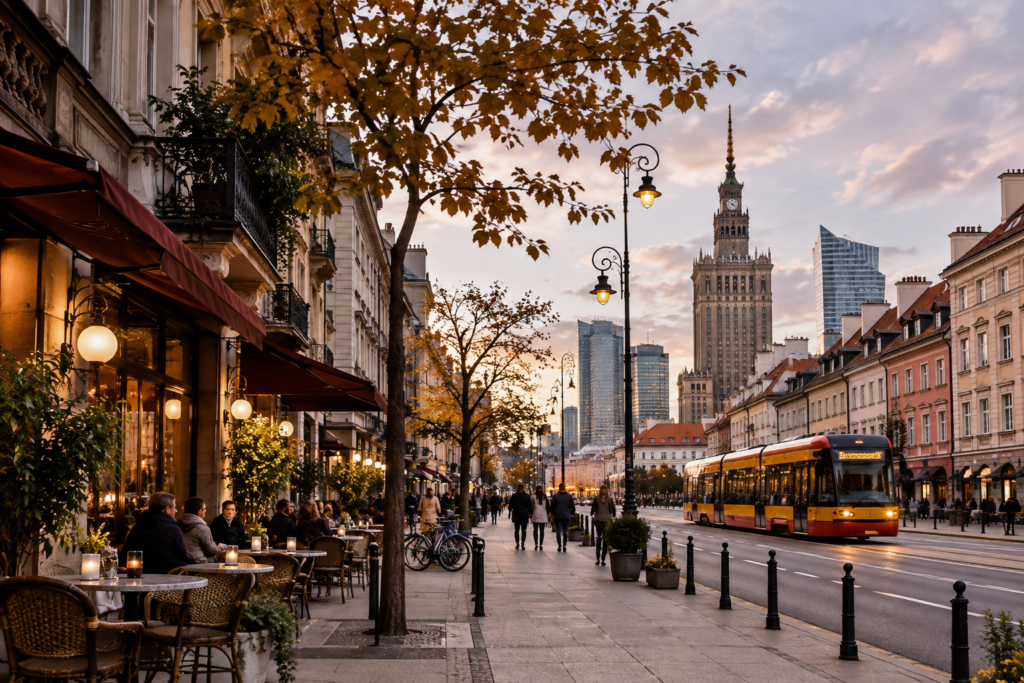
For anyone still picturing Eastern Europe through dated grey clichés, Warsaw delivers an electric correction. Rebuilt with fierce determination and expanding rapidly, the Polish capital feels noticeably young, architectural, and culturally ambitious.
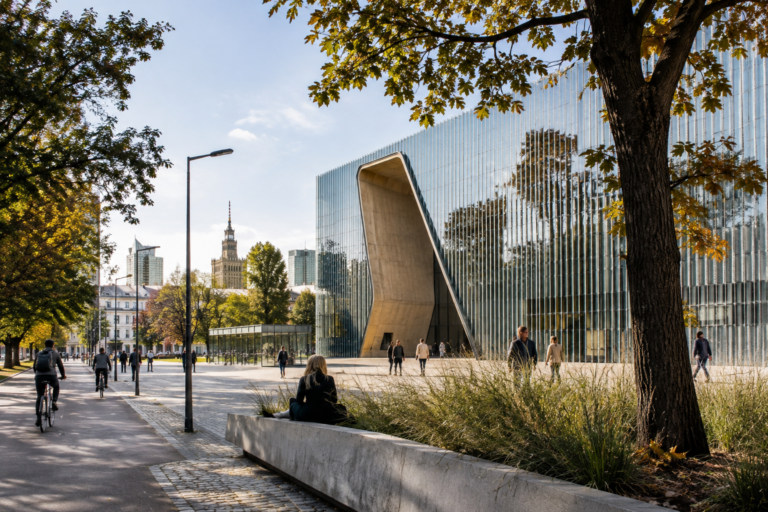
Monumental postwar avenues and carefully reconstructed historic squares sit alongside striking contemporary museums, independent design studios, and sprawling cultural complexes carved out of old factories. Its dining and bar scene moves at full metropolitan speed—natural wine spots tucked inside modernist courtyards, sharp specialty coffee roasters, late-night cocktail rooms, and generous kitchens reinventing Polish ingredients without museum stiffness. Because the city isn’t choked by cruise crowds, you actually experience its creative momentum alongside the architects, artists, and locals shaping it.
Lausanne: Lake Light, Steep Steps, and Design
Perched on steep slopes overlooking Lake Geneva and the French Alps beyond, Lausanne proves a smaller city can feel effortlessly worldly. Built across terraced levels connected by covered medieval stairways, bridges, and funiculars, it rewards walking with sudden cinematic views between every block.
Down by the main station, a dedicated arts district brings major museums of fine art, contemporary design, and photography together in crisp architectural spaces, while uphill in the old town, lively bistros, jazz cellars, and wine bars spill onto stone terraces late into warm evenings. Add easy afternoon trains straight into the sunlit hillside vineyards of Lavaux, and a single weekend manages to combine sharp Swiss design with relaxed, French-speaking appetite.
The Walk-From-Gallery-to-Dinner Advantage
What unites great smaller cities like Genoa, Warsaw, Lausanne—along with peers such as Turin, Antwerp, Bologna, or Porto—is not rusticity. It is human scale paired with real cultural density.
In mega-capitals, pairing an ambitious afternoon exhibition with a memorable neighborhood dinner often means forty-five minutes on a crowded metro just to cross town. In a smaller cultural city, the distance between serious art, historic architecture, and an unpretentious late supper is frequently a fifteen-minute walk through intriguing streets. You stay dressed comfortably, move effortlessly from a concert hall or gallery straight to a wooden table at nine, and still have energy left for a nightcap down the block.
How to Spot Your Next Weekend City
Picking an underrated cultural trip does not require obscure research. Look for historic port cities, university towns with strong architectural bones, or former industrial hubs that have poured energy into museums, theaters, and young kitchens over the past decade.
Notice where local creatives live rather than where package tours congregate. Check what happens at nine o’clock on a weeknight: if neighborhood dining rooms are humming, independent galleries stay open late, and cultural listings look genuinely varied—classical music beside experimental cinema, vintage markets beside modern design fairs—you have found a city that still belongs to itself.
Great travel returns the instant you stop fighting for oxygen at the same five famous landmarks. Choosing a smaller cultural city does not mean settling for less drama, beauty, or sophistication; it simply trades the queue for room to breathe, better tables, and the unmistakable thrill of discovering a place that wasn’t waiting around just for you.